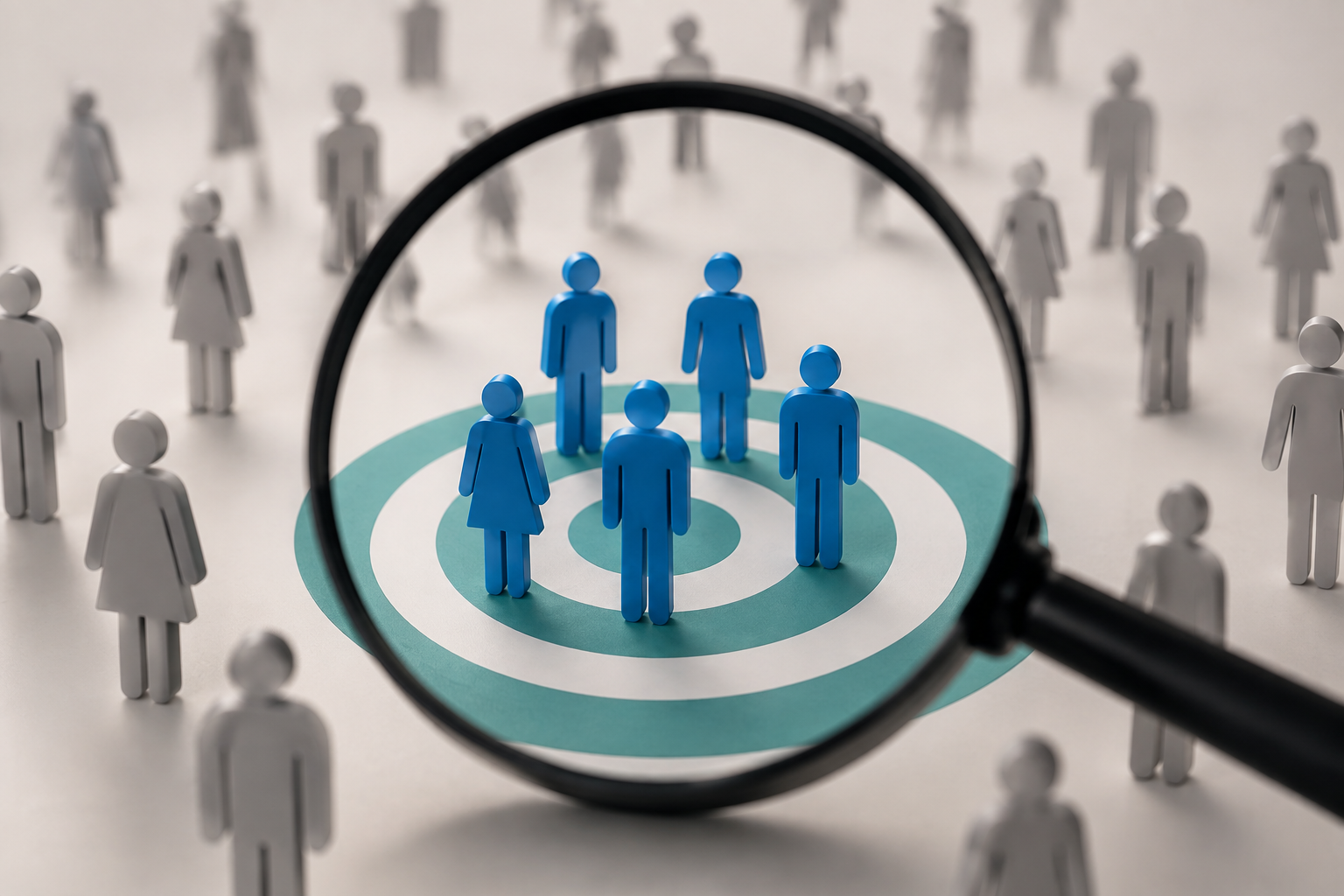
Great marketing starts with knowing who you are talking to. You can have an excellent product, attractive creatives, and a strong offer, but if your message reaches the wrong people, your campaign may struggle.
Learning how to find target audience helps you focus your marketing on people who are most likely to need, trust, and purchase your product or service. In this guide, you’ll learn practical ways to research your audience and turn those insights into better marketing decisions.
If you want to develop these skills professionally, a digital marketing course in Jaipur can help you apply audience research across SEO, social media, paid advertising, and content marketing.
What Is a Target Audience?
A target audience is the specific group of people most likely to be interested in your product, service, or content.
For example, a fitness business may not simply target “people interested in fitness.” Its ideal audience could be working professionals looking for convenient home workouts because they have limited time.
Knowing your audience helps you decide:
- What content to create
- Which platforms to use
- What problems to address
- How to position your offer
- What type of message will resonate
The first step in learning how to find target audience is therefore to become specific rather than trying to appeal to everyone.
Start With Your Existing Customers
If your business already has customers, start there. Your existing customers can provide some of the most useful audience insights.
Look for patterns in:
- Age and location
- Profession or education
- Products purchased
- Common questions
- Reasons for buying
- Problems they wanted to solve
- Objections before purchasing
You can also speak directly with customers. Ask what problem they were trying to solve, what alternatives they considered, and what ultimately influenced their decision.
Their answers can reveal motivations that basic demographic data cannot.
Use Demographics and Psychographics
Demographics give you the basic structure of an audience. Depending on your business, this may include:
- Age
- Gender
- Location
- Occupation
- Education
- Income level
But demographics alone are not enough.
Psychographics help you understand why people buy. These include interests, lifestyle, values, goals, motivations, and concerns.
For example, two people may be the same age and live in the same city, but one may buy a digital marketing course to change careers while another wants to promote their existing business.
Understanding this difference makes how to find target audience much more effective.
Research Online Behaviour
Your potential customers leave useful clues through their online behaviour.
Study Search Queries
Look at what people search for before making a purchase. Search terms can reveal:
- Problems they are facing
- Questions they have
- Products they are comparing
- Features they want
- Their level of buying intent
For example, someone searching “what is digital marketing” is at an earlier stage than someone searching “best digital marketing course in Jaipur.”
Analyse Social Media
Study the platforms your audience uses and the content they interact with.
Look for popular topics, common questions, competitor content, relevant creators, and recurring complaints. This can help you understand both interests and pain points.
Use Analytics and Competitor Research
Website and social media analytics can show you who is already engaging with your business.
Depending on the platform, examine:
- Traffic sources
- Popular pages
- Audience locations
- Engagement
- Conversion paths
- Search queries
- Returning visitors
You can also study competitors to understand who they appear to target and what messages they use.
Read customer reviews where available. Positive reviews can show what people value, while negative reviews may reveal gaps that your business could address.
Create a Simple Customer Persona
Once you have gathered enough information, create a customer persona.
A persona is a simple representation of an important customer segment. Include:
- Age range
- Location
- Occupation
- Main goal
- Biggest problem
- Buying motivation
- Common objection
- Preferred platforms
- Information sources
For example:
Career Switcher: A 25–30-year-old professional in Jaipur who wants to move into digital marketing, follows career content online, compares training options, and values practical learning and career support.
Your persona should be based on research rather than assumptions, to be able to ‘how to find target audience’.
Test and Refine Your Audience
Audience research should not stop after creating a persona.
Your initial audience is a hypothesis. Real campaign results help you determine whether your assumptions are correct.
Test different:
- Audience segments
- Messages
- Content formats
- Offers
- Platforms
- Calls to action
Then measure meaningful outcomes such as enquiries, leads, purchases, or conversions.
A campaign that receives many clicks but very few qualified enquiries may indicate that your targeting or messaging needs improvement.
This testing process is one of the most important parts of how to find target audience because actual customer behaviour can challenge your original assumptions.
Common Mistakes to Avoid
Trying to Target Everyone
A broad audience can make your marketing message too generic. Start with the group most likely to benefit from your offer.
Relying Only on Demographics
Age and location are useful, but they don’t explain motivations or buying behaviour. Combine demographic information with interests, goals, and problems.
Making Assumptions
Your idea of the ideal customer may not match your actual customers. Use research and analytics to validate your assumptions.
Never Updating Your Audience
Customer behaviour changes. Review your audience research when your product, market, competitors, or campaign performance changes.
How to Find Target Audience: A Simple Process
Use this framework whenever you need to define an audience:
- Identify the problem your product solves.
- Study your existing customers.
- Research demographics and interests.
- Analyse search and social media behaviour.
- Study competitors and customer reviews.
- Create a customer persona.
- Test different audience segments.
- Measure results and refine your strategy.
Once you understand how to find target audience, you can create more relevant content, improve campaign targeting, and make better marketing decisions.
Conclusion
Finding your target audience is not about guessing who might like your product. It is about understanding who has the strongest need for what you offer and validating that understanding through real evidence.
Start with your customers, research their behaviour, analyse your competitors, build a practical persona, and keep testing your assumptions.
If you want to learn how audience research connects with SEO, social media, Google Ads, content strategy, and analytics, explore Tech Career’s digital marketing institute in Jaipur and speak with a counsellor.
Frequently Asked Questions
1. What is the easiest way to find a target audience?
Start by identifying the problem your product solves and the people most likely to experience that problem. Then validate your assumptions using customer data, interviews, keyword research, and analytics.
2. How can social media help identify my target audience?
Social media can reveal which platforms your potential customers use, what topics they discuss, what content they engage with, and which creators or brands influence their decisions.
3. Can keyword research help with audience research?
Yes. Search queries can show what people are trying to learn, compare, or purchase. Grouping keywords by search intent can help you understand different stages of the customer journey.
4. What is a customer persona?
A customer persona is a simplified representation of a specific customer segment. It typically includes characteristics such as goals, challenges, motivations, behaviour, and preferred communication channels.
5. Should businesses have multiple target audiences?
Yes, if they serve genuinely different customer groups. Different segments may require different messages, offers, content, or advertising strategies.
6. How often should I review my target audience?
Review your audience whenever customer behaviour, products, competitors, platforms, or campaign results change significantly. Regular testing can help keep your targeting relevant.
Get Full Syllabus on WhatsApp or Book a Free Counselling Call with Tech Career today.