
Digital marketing can quickly become overwhelming when you are switching between SEO platforms, content calendars, social media accounts, analytics dashboards, email tools, and design software.
The right digital marketing toolkit to increase your efficiency can simplify that workflow. Instead of spending hours on repetitive tasks, you can use the right tools to research faster, create better content, track performance, and make more informed decisions.
If you are learning digital marketing or want to build practical industry-ready skills, a digital marketing course in Jaipurcan also help you understand how these tools fit into real marketing campaigns.
Why You Need a Digital Marketing Toolkit
A good toolkit is not about collecting dozens of software subscriptions. It is about choosing tools that solve specific problems in your daily workflow.
For example, you may need one tool for keyword research, another for designing social media creatives, and another for measuring website traffic. When these tools are organised around your workflow, they can reduce repetitive work and make campaign management easier.
The goal of a digital marketing toolkit to increase your efficiency should therefore be simple: spend less time managing tasks and more time improving marketing results.
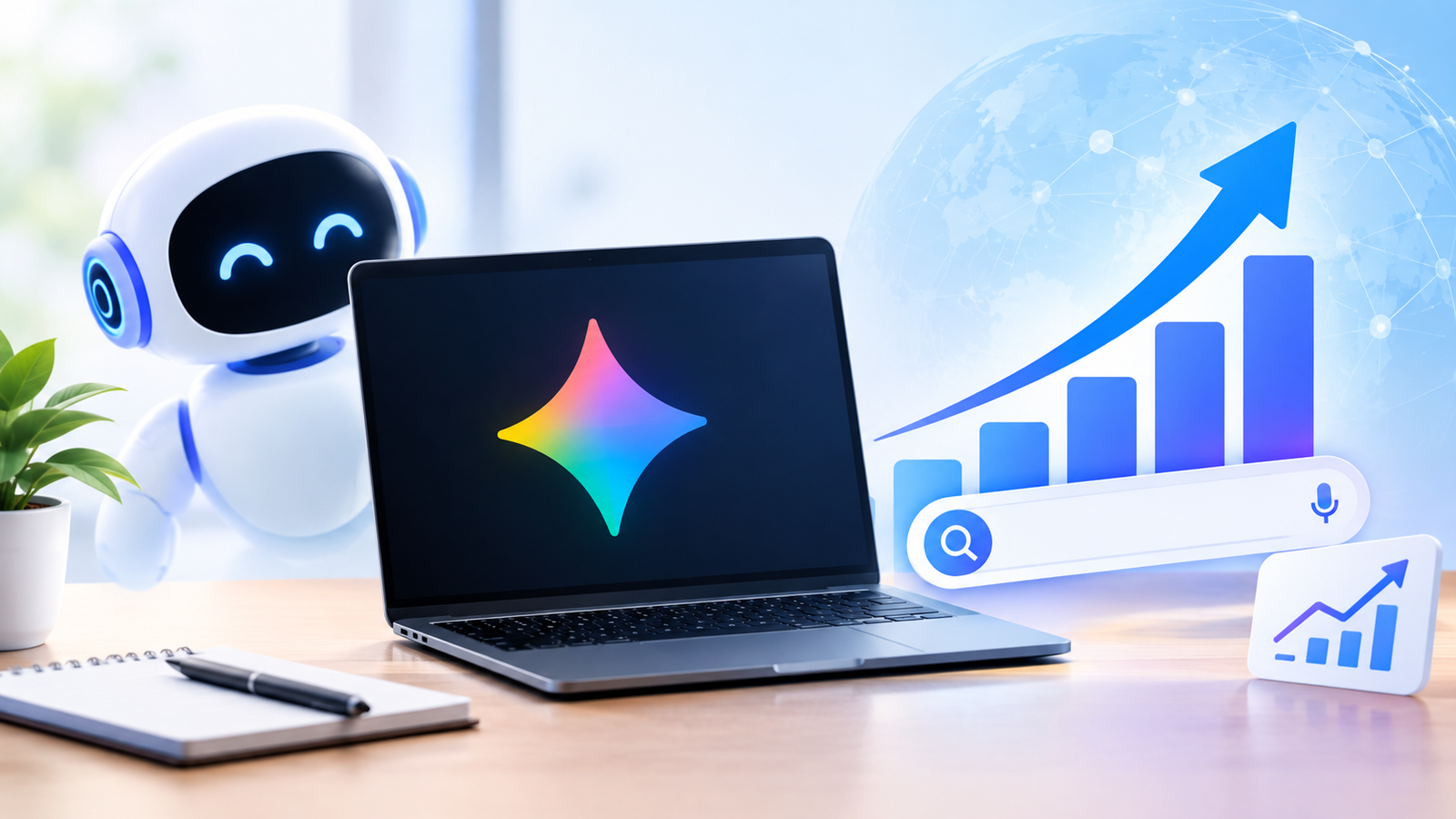
[IMAGE SUGGESTION: A clean workspace showing a marketer using SEO, analytics, content and social media tools on multiple screens. Add descriptive real alt text before publishing.]
Essential SEO Tools for Better Research
SEO requires continuous research, monitoring, and optimisation. The right tools can make this process much more manageable.
Keyword Research
Keyword research tools help you identify what people are searching for and understand search intent. You can use them to discover relevant topics, related queries, and potential content opportunities.
Google Keyword Planner is useful for keyword discovery, while platforms such as Semrush and Ahrefs offer broader SEO research and competitor analysis features.
Website Performance
Google Search Console and Google Analytics can help you understand how your website is performing.
You can monitor search visibility, traffic patterns, landing-page performance, and user behaviour. These insights help you identify which pages deserve more attention.
Content Creation Tools That Save Time
Creating content consistently is easier when your process is organised.
A practical digital marketing toolkit to increase your efficiency should include tools for writing, editing, research, and visual content.
AI writing assistants can help with brainstorming, outlines, repurposing, and first drafts. However, human editing is still essential for accuracy, originality, brand voice, and useful insights.
For graphics, Canva is useful for creating social media posts, presentations, advertisements, thumbnails, and other marketing assets without requiring advanced design skills.
[IMAGE SUGGESTION: Marketer creating a social media campaign using a content calendar, writing tool and design platform. Add meaningful alt text before publishing.]
Social Media Management Tools
Managing several social media platforms manually can consume significant time.
Social media management platforms allow you to organise content, schedule posts, monitor engagement, and review performance from a central dashboard.
The best tool depends on the platforms you manage and the features your team needs. Before choosing one, check whether it supports your preferred networks, reporting requirements, approval workflows, and scheduling needs.
A useful workflow is to batch-create content, schedule it in advance, and then reserve time for community engagement and performance analysis.
Email Marketing and Automation
Email marketing becomes more efficient when repetitive activities are automated.
Platforms such as Mailchimp, Brevo, and HubSpot can help marketers manage subscriber lists, create campaigns, segment audiences, and automate selected communication workflows.
Automation can be particularly useful for welcome emails, lead nurturing, follow-ups, and customer communication. However, automation should support your strategy rather than replace thoughtful communication.
Analytics Tools for Smarter Decisions
A major part of marketing efficiency is knowing what is actually working.
Analytics tools help you move beyond assumptions. Instead of simply counting likes or website visits, you can examine metrics connected to your objectives.
Depending on your campaign, you may monitor:
- Website traffic
- Search performance
- Conversion activity
- Engagement
- Email performance
- Lead generation
- Campaign-level results
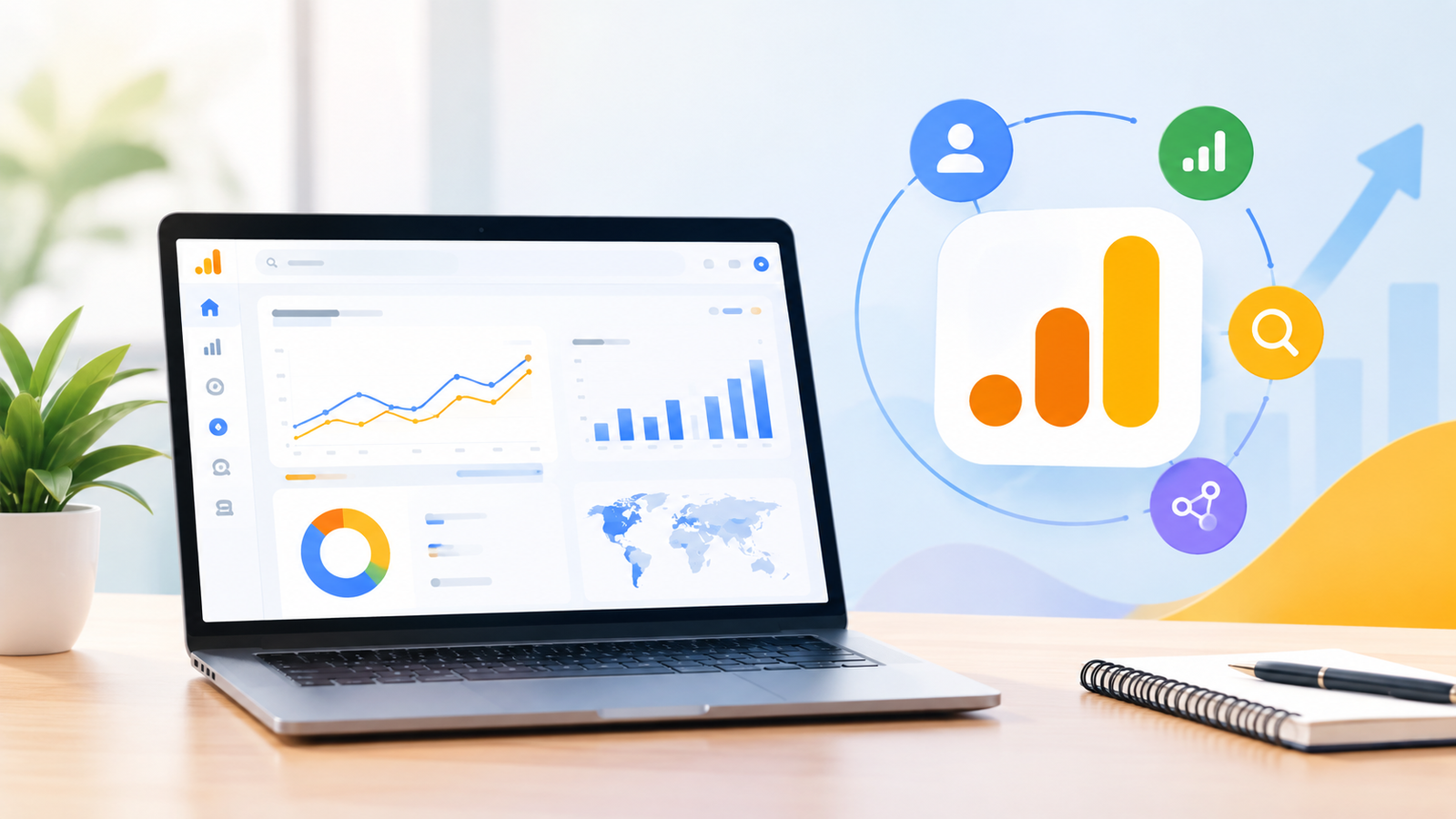
[IMAGE SUGGESTION: Modern digital marketing analytics dashboard with traffic, conversions and campaign performance charts. Add accurate alt text before publishing.]
How to Build Your Own Digital Marketing Toolkit
You do not need every tool available. Start by mapping your workflow.
Step 1: Identify Repetitive Tasks
List the activities that consume the most time, such as keyword research, reporting, scheduling, content creation, or email follow-ups.
Step 2: Choose Tools Based on Your Goals
Select software according to the problem it solves rather than its popularity. A free or simple tool may be enough for a small business, while larger teams may need advanced collaboration and reporting features.
Step 3: Connect Your Workflow
Where possible, connect tools so information can move between different stages of your marketing process. This reduces manual data entry and keeps your workflow organised.
Step 4: Review Your Stack Regularly
Tools change, pricing changes, and your marketing requirements change. Review your toolkit periodically and remove platforms that no longer provide enough value.
Digital Marketing Skills Matter More Than Tools
Tools can improve productivity, but they cannot replace marketing knowledge.
You still need to understand audience research, positioning, SEO, content strategy, conversion optimisation, analytics, and campaign planning.
That is why practical training can make a difference. A digital marketing institute in Jaipur can help you learn not just what different platforms do, but how marketers use them as part of an overall strategy.
If you are interested in building websites alongside your marketing skills, you can also explore a Web Development course in Jaipur.
Conclusion
A digital marketing toolkit to increase your efficiency should make your work simpler, not more complicated. Start with the core areas of your workflow: SEO research, content creation, social media, email marketing, and analytics.
Choose tools based on your actual requirements, automate repetitive tasks where appropriate, and regularly review whether each platform is delivering value.
Most importantly, remember that tools are only part of the equation. Strong marketing decisions come from combining the right technology with sound strategy and practical skills.
If you want to learn how these tools are used in real digital marketing workflows, professional training can give you a structured starting point.
Frequently Asked Questions
1. What is a digital marketing toolkit?
A digital marketing toolkit is a collection of software and platforms used to perform marketing tasks such as SEO research, content creation, social media management, email marketing, advertising, and analytics.
2. Which tools should a beginner include in their marketing toolkit?
Beginners can start with essential tools for keyword research, website analytics, search performance, graphic design, content planning, and social media scheduling. The exact combination depends on their goals and budget.
3. Can digital marketing tools improve productivity?
Yes. The right tools can reduce repetitive work, organise campaigns, automate selected processes, and make performance data easier to analyse. They are most effective when combined with a clear workflow.
4. Are paid marketing tools necessary?
Not always. Many useful platforms offer free versions or free alternatives. Paid tools become more valuable when you need advanced research, automation, reporting, collaboration, or larger-scale campaign management.
5. How often should I review my marketing tools?
Review your toolkit periodically, particularly when your business, campaign requirements, team size, or marketing channels change. Remove tools that duplicate functions or no longer provide enough value.
6. Should I learn digital marketing tools before learning strategy?
It is better to learn both together. Understanding marketing strategy helps you choose the right tool and use its features for a meaningful business objective rather than simply learning software functions.
Get Full Syllabus on WhatsApp and start building practical digital marketing skills.ch Career.
Get Full Syllabus on WhatsApp or Book a Free Counselling Call with Tech Career today.