Digital marketing is how businesses reach, convert, and keep customers using online channels — search, social media, email, and paid ads — instead of relying only on print, TV, or billboards. Below are the 10 biggest advantages of digital marketing that make it the top growth choice for businesses of every size in 2026.
Quick Answer: 10 Advantages of Digital Marketing
- Lower cost than traditional marketing
- Global reach for any business size
- Precise audience targeting
- Fully measurable results
- Higher ROI
- Real-time flexibility to optimize campaigns
- Stronger customer engagement
- 24/7 brand visibility
- Better lead generation
- Builds long-term brand trust
Each advantage is explained below, with an example and why it matters for your business.
1. Lower Cost Than Traditional Marketing
Digital marketing needs far less money than TV, radio, or newspaper ads. A small business can run a targeted campaign for a few hundred rupees a day and still reach real buyers, something a billboard or print ad can never do at that budget.
Example: A local bakery can run a ₹300/day Instagram ad and get walk-in orders the same evening, while a newspaper ad of similar reach could cost 20x more with no way to track results.
2. Global Reach for Any Business Size
With a website and a few social media accounts, even a one-person business can sell to customers in another city or country. Traditional marketing is capped by geography — a newspaper ad only reaches its local circulation.
Example: A handmade jewelry seller in Jaipur can take orders from the US or UAE through Instagram and a simple online store, no physical branch needed.
3. Precise Audience Targeting
Digital marketing lets you show ads only to people who match your ideal customer — by age, location, interest, or search intent. This is one of the clearest advantages of digital marketing over traditional marketing, where ads go to a broad, mostly uninterested audience.
Example: A gym can target ads only to people aged 18–35 living within 5 km, instead of paying for a citywide hoarding that most viewers will never act on.
4. Fully Measurable Results
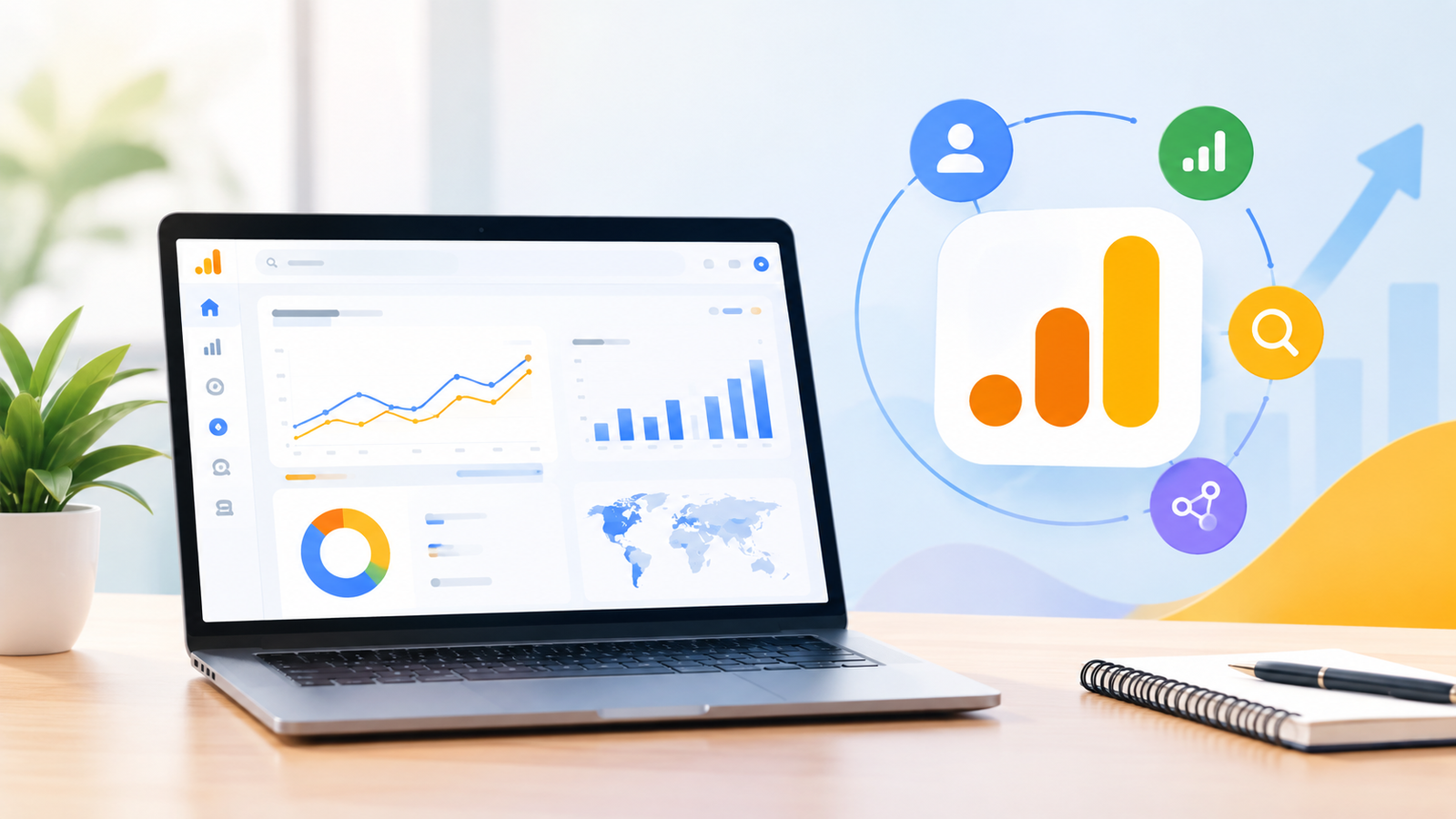
Every click, view, and sale can be tracked using tools like Google Analytics and Meta Ads Manager. You know exactly what’s working and what’s wasting money — something print or TV ads can never show you with this level of detail.
Example: An online coaching institute can see exactly how many people clicked an ad, filled the enquiry form, and enrolled — down to the rupee spent per lead.
5. Higher ROI (Return on Investment)
Because campaigns are targeted and trackable, businesses can cut what isn’t working and put more budget behind what is. This constant optimization is why digital marketing usually delivers a better return than traditional advertising.
Example: If a Facebook ad set is converting better than a Google ad, a business can shift budget between them within minutes and improve overall returns immediately.
6. Real-Time Flexibility to Optimize Campaigns
A printed ad or aired commercial can’t be changed once it’s out. A digital campaign can be edited, paused, or relaunched in minutes — new headline, new image, new audience, no reprinting or rebroadcasting needed.
Example: If an ad isn’t getting clicks, a marketer can swap the image or headline the same day and see the impact within hours.
7. Stronger Customer Engagement
Digital marketing is two-way. Customers can comment, message, review, and ask questions directly, and a brand can respond instantly. This builds trust faster than the one-way communication of TV or print ads.
Example: A clothing brand replying to size questions on Instagram DMs converts a browser into a buyer far faster than a static print ad ever could.
8. 24/7 Brand Visibility
Your website, Google Business listing, and social pages work even when your shop is closed. Customers can find you, read reviews, and book or buy at any hour — a major advantage of digital marketing that offline-only businesses miss out on.
Example: Someone searching for a salon at 11 PM can check reviews and book a slot for tomorrow, without you doing anything in real time.
9. Better Lead Generation
Landing pages, lead forms, and WhatsApp/email opt-ins let businesses collect the details of people already interested in what they sell. These leads convert better because the buying intent already exists, unlike cold traditional advertising.
Example: A digital marketing institute can run a Google Ads campaign for “digital marketing course near me” and collect enquiries from people actively searching to enroll.
10. Builds Long-Term Brand Trust
Consistent content, reviews, and online presence build credibility over time. Customers today check Google reviews and social proof before buying almost anything — something print advertising cannot provide.
Example: Verified reviews and consistent posting helped D2C brands scale into major businesses using digital-first trust building instead of traditional advertising.
Digital Marketing vs Traditional Marketing: Quick Comparison
| Factor | Digital Marketing | Traditional Marketing |
| Cost | Low, flexible budgets | High, fixed cost |
| Targeting | Precise (age, location, interest) | Broad, general audience |
| Reach | Global | Local/regional |
| Tracking | Real-time, exact numbers | Hard to measure |
| Flexibility | Editable anytime | Fixed once published |
| Engagement | Two-way | One-way |
Why These Advantages of Digital Marketing Matter in 2026
Buyers now research, compare, and decide almost entirely online before they ever contact a business. A brand without a strong digital marketing strategy is invisible to most of that buying journey. That’s why these 10 advantages — cost, reach, targeting, measurability, ROI, flexibility, engagement, availability, lead quality, and trust — aren’t optional extras anymore. They’re the baseline for competing in any industry today.
If you want to build these skills professionally — running real campaigns, not just reading about them — a structured digital marketing course can take you from theory to hands-on practice with live tools like Google Ads and Meta Ads Manager.
FAQs: Advantages of Digital Marketing
Q1. What are the top 10 advantages of digital marketing? The top 10 advantages are lower cost, global reach, precise targeting, measurable results, higher ROI, real-time flexibility, stronger engagement, 24/7 visibility, better lead generation, and long-term brand trust.
Q2. What is the biggest advantage of digital marketing over traditional marketing? The biggest advantage is measurability — every rupee spent can be tracked to a click, lead, or sale, which traditional marketing cannot offer.
Q3. Is digital marketing cheaper than traditional marketing? Yes. Digital campaigns can start with a small daily budget and still reach a targeted audience, while traditional media like TV or print need much larger upfront spending.
Q4. Can small businesses benefit from digital marketing? Yes, small businesses often benefit the most, since digital marketing lets them compete with bigger brands using far smaller budgets through precise targeting and organic content.
Q5. How does digital marketing help generate more leads? Digital marketing generates leads through landing pages, ad forms, and content that targets people already searching for a related product or service, so the leads collected have higher buying intent.