
If you’ve been searching for “how to become a digital marketer without a degree,” you’ve probably already noticed something: most job listings ask for a “bachelor’s degree preferred” — and most successful digital marketers you follow on LinkedIn don’t actually have one in the field. To become a digital marketer is one of the rare careers where your portfolio, your results, and your ability to run a real campaign matter more than your college transcript.
That’s not a motivational line. It’s how the industry actually hires. A brand doesn’t care whether you have a marketing degree when you’re pitching them a Google Ads strategy that lowers their cost-per-lead — they care whether it works.
In this guide, you’ll learn exactly what skills to build, which tools to learn first, how to create a portfolio with zero prior experience, and what a realistic timeline looks like — whether you’re a student, a graduate from an unrelated field, or someone switching careers entirely. If you’re based in Jaipur and want structured, hands-on training instead of piecing it together alone, a good digital marketing course in Jaipur can compress this timeline significantly — but everything below works even if you choose to self-teach.
Why a Degree Isn’t Mandatory for Digital Marketing
To become a digital marketer is a skill-based field, not a credentialed one like law or medicine. There’s no licensing body, no mandatory certification, and no single “correct” degree that qualifies you. What actually separates a hired candidate from a rejected one is usually:
- Whether they understand how a specific platform (Google Ads, Meta Ads, SEO, email) actually performs
- Whether they can read basic campaign data and explain what it means
- Whether they have proof of work — a live account, a case study, a portfolio site
- Whether they can communicate clearly with a client or team
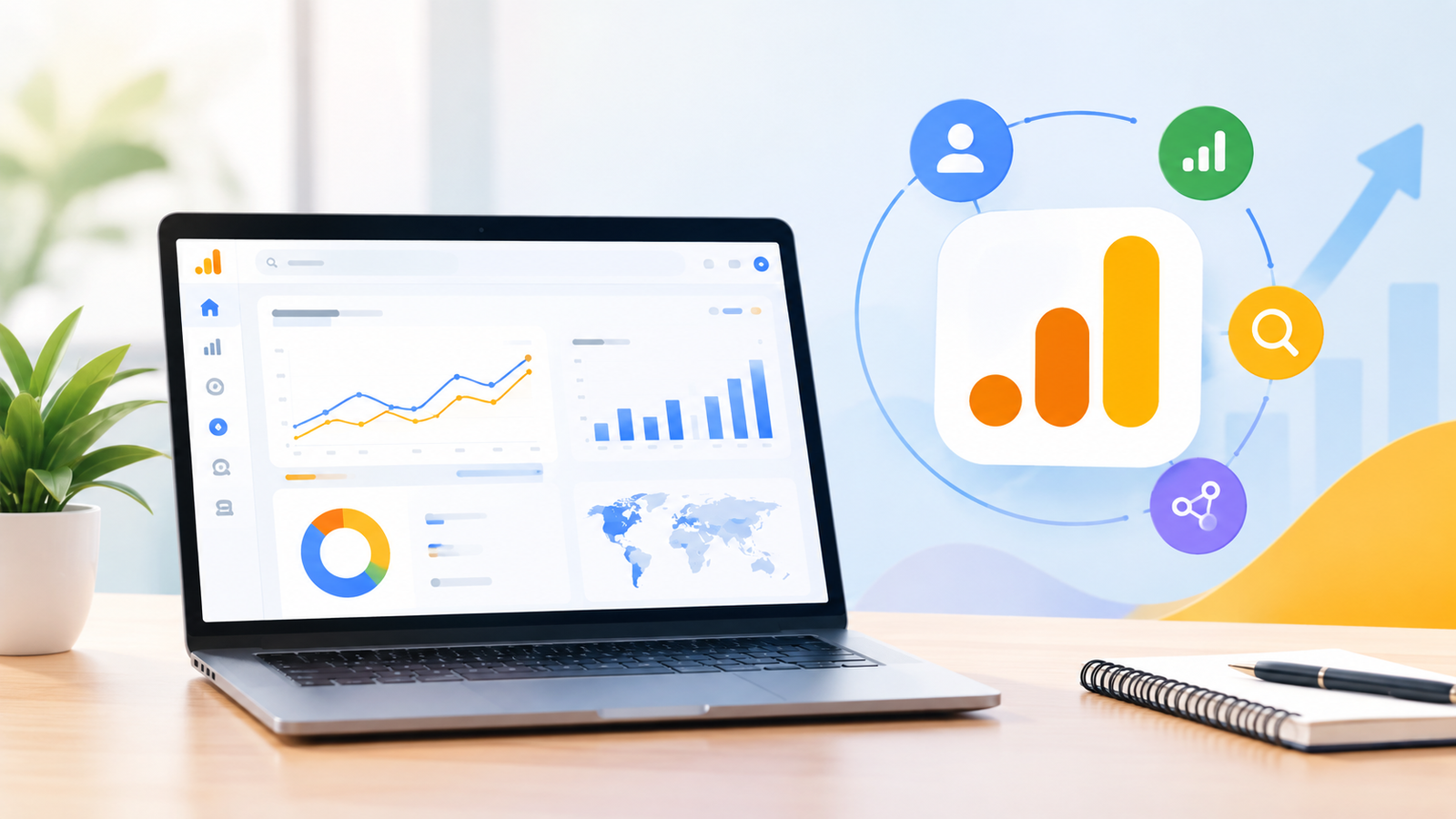
None of that requires a degree. It requires practice. Most hiring managers in agencies and small-to-mid-size companies (which is where the bulk of entry-level digital marketing jobs exist) are far more interested in a working Google Analytics screenshot than a transcript.
That said, “no degree needed” doesn’t mean “no learning needed.” You still have to build real, demonstrable skill — the degree requirement is just replaced by a portfolio requirement.
Core Skills You Actually Need to Learn
Before you touch any tool, it helps to know what you’re building toward. Digital marketing isn’t one skill — it’s a cluster of related skills, and most people specialize in two or three rather than mastering all of them at once.
Search Engine Optimization (SEO)
Understanding how Google ranks content — keyword research, on-page optimization, technical basics, and link building. SEO is a long-game skill, but it’s one of the most in-demand because results compound over time.
Paid Advertising (PPC)
Running and optimizing paid campaigns on Google Ads and Meta Ads. This is often the fastest way to prove ROI to an employer, because the results (clicks, conversions, cost-per-lead) are immediate and measurable.
Social Media Marketing
Not just posting — understanding platform algorithms, content strategy, community management, and how organic content ties into paid campaigns.
Content Marketing and Copywriting
Writing that converts — blog posts, ad copy, email sequences, landing pages. Businesses consistently need people who can write clearly and persuasively.
Analytics and Data Reading
You don’t need to be a data scientist, but you do need to read Google Analytics, understand basic conversion metrics, and explain what the numbers mean in plain language. This single skill separates junior marketers from people who just “post content.”
Email Marketing and Automation
Sequences, segmentation, and basic automation tools (Mailchimp, HubSpot, or similar). Often overlooked, consistently valuable.
You don’t need to be excellent at all six on day one. Pick two to go deep on first — SEO and PPC, or social media and content — and build outward from there.
Step-by-Step Path to Becoming a Digital Marketer Without a Degree
Step 1: Learn the Fundamentals
Start with free or structured resources — Google’s own Skillshop, HubSpot Academy, and YouTube channels are enough to understand the basics of each skill area listed above. Give yourself a few weeks here purely to understand terminology and how the pieces connect.
Step 2: Get Hands-On With Real Tools
Reading about Google Ads and actually running a small campaign (even a ₹500 test budget on your own project) are completely different experiences. Set up:
- A free Google Analytics and Google Search Console account
- A test Google Ads or Meta Ads account
- A free blog or portfolio site to practice SEO on
Step 3: Build Projects Before You Have Clients
Run a campaign for a friend’s small business, your own hobby blog, or a fictional brand you create for practice. Document what you tried, what worked, what didn’t. This becomes your portfolio.
Step 4: Get Certified (Optional but Useful)
Certifications like Google Ads Certification, Google Analytics Certification, and HubSpot Content Marketing Certification are free and carry real weight because they’re issued by the platforms themselves — not a random third party. They won’t replace a portfolio, but they support it.
Step 5: Build a Portfolio, Not a Resume
Employers hiring digital marketers without a degree want to see proof, not promises. A simple portfolio site or even a well-organized Google Drive with case studies, screenshots of results, and sample ad copy will outperform a generic resume every time.
Step 6: Apply for Internships or Entry-Level Roles
Look specifically at agencies, startups, and SMEs — they tend to hire on demonstrated skill far more than large corporates, which sometimes still filter by degree at the HR-screening stage.
Best Tools to Learn as a Beginner
You don’t need to master every tool that exists. Focus on the ones that show up in almost every job listing:
- Google Analytics & Search Console — for understanding traffic and SEO performance
- Google Ads & Meta Ads Manager — for paid campaign management
- Canva — for quick creative assets (pairs well with a graphic design course in Jaipur if you want to go deeper on visual content)
- SEMrush or Ubersuggest — for keyword research (free tiers are enough to start)
- Mailchimp or HubSpot — for email marketing basics
- Canva or CapCut — for short-form video and reels editing
Learning tools in isolation without a project attached to them is where most self-taught learners stall out. Always pair a new tool with a real, even small, use case.
How to Build a Portfolio With Zero Experience
This is usually the part people get stuck on — “how do I show work when nobody’s hired me yet?” A few practical routes:
- Create a personal brand or blog and run SEO, content, and email marketing on it yourself
- Offer free or discounted work to one or two local small businesses in exchange for a case study and testimonial
- Run simulated campaigns using platform demo accounts and document your process and hypothetical results clearly
- Write a few strategy breakdowns of brands you admire — what you’d do differently and why — and publish them on LinkedIn
None of this requires a degree, a job title, or permission from anyone. It requires consistency and a willingness to publish work before you feel fully “ready.”
Certifications and Courses Worth Considering
Free platform certifications are a good starting signal, but if you want structured progression — with mentorship, project work, and placement support instead of piecing together scattered YouTube tutorials — a dedicated course closes the gap faster. A structured digital marketing institute in Jaipur typically covers SEO, PPC, social media, analytics, and content under one curriculum, with practical campaigns you can actually add to your portfolio rather than just watching lectures.
This matters especially if you’re switching careers or don’t have three-to-six months to self-teach through trial and error. Structured learning compresses the timeline and gives you feedback on your work — something self-study alone rarely provides.
Career Paths and Growth Opportunities
Digital marketing without a degree doesn’t limit you to entry-level roles forever. Common paths include:
- In-house marketer at a small or mid-size company, growing into a marketing lead role
- Agency specialist — focusing deeply on SEO, PPC, or paid social for multiple clients
- Freelancer or consultant — once you have a portfolio and a few client results, freelancing becomes viable
- E-commerce marketer — running ads, SEO, and email for online stores, which pairs well with knowledge from an e-commerce course in Jaipur if you want to specialize in that direction
- Marketing manager or strategist — after 3-5 years of demonstrated results, degree requirements at this level matter even less
Entry-level salaries vary widely by city, company size, and specialisation, so treat any number you see online with caution.
Common Mistakes to Avoid
- Trying to learn everything at once instead of going deep on two skills first
- Skipping hands-on practice and only consuming tutorials without applying them
- Having no portfolio when applying — this is the single biggest reason self-taught candidates get filtered out
- Ignoring analytics — knowing how to run a campaign without knowing how to read its results is half a skill
- Undervaluing writing ability — copywriting shows up in almost every digital marketing role, even technical ones
Conclusion
You don’t need a marketing degree to become a digital marketer — you need real skills, hands-on practice, and proof of work that a hiring manager can actually evaluate. Start with one or two core skills, build small projects before you have clients, get certified where it’s free and useful, and put together a portfolio that shows what you can actually do.
If you’d rather learn this in a structured way — with mentors, live projects, and placement support instead of figuring it all out alone — Tech Career’s digital marketing course in Jaipur is built exactly for people starting from zero, degree or no degree.
FAQs
1. Can I really become a digital marketer without any degree?
Yes. Digital marketing hiring is largely skill- and portfolio-based rather than credential-based, especially at agencies, startups, and SMEs. What matters most is whether you can demonstrate real campaign work, not which degree you hold.
2. How long does it take to become a digital marketer from scratch?
It depends on how much time you can dedicate and whether you’re self-teaching or following a structured course. Self-taught learners often take several months of consistent practice, while a structured course can compress the fundamentals into a shorter, more guided timeline.
3. Which digital marketing skill should I learn first if I have no background?
Start with either SEO or paid advertising (Google Ads/Meta Ads), since both have clear, measurable outcomes that are easy to showcase in a portfolio. Content writing is also a strong starting point if you enjoy writing.
4. Do I need to pay for tools and certifications to get started?
No — most of the essential tools (Google Analytics, Search Console, Google Ads Certification, HubSpot Academy) are free. Paid tools like SEMrush or premium ad spend become relevant later, once you’re working on client projects.
5. Will companies actually hire someone without a marketing degree?
Many will, particularly smaller companies, agencies, and startups that prioritize demonstrated skill over formal qualifications. Larger corporates sometimes use degree filters at the initial HR-screening stage, so a strong portfolio and networking matter more in those cases.
6. Is a digital marketing course worth it if I can learn for free online?
Free resources work well for fundamentals, but a structured course adds mentorship, feedback on real projects, and often placement support — which can shorten the time it takes to become job-ready compared to self-teaching alone.
Get Full Syllabus on WhatsApp — reach out to Tech Career, Jaipur, to get the complete digital marketing course structure, fees, and batch timings sent directly to you.
Follow us on Instagram for digital marketing tips, career updates, course information, and industry insights: @techcareerjaipur